Why choose Hydraulics Online?

We’re trusted by customers in more than 130 countries – it’s a small world, if you know how.

Impartial advice and access to a huge portfolio of hydraulics brands… you’re in safe hands.
Specialist equipment? If it’s hydraulic, our experts can source it, design it or repair it!
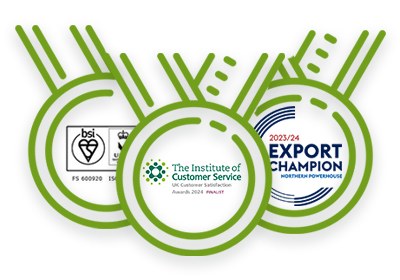
We’re widely recognised, far and wide, for our exemplary approach and credentials.
Safety first, always. We offer market-leading hydraulic solutions and support for potentially explosive environments in accordance to European ATEX and British UKEX regulations.

Because Hydraulics Online is independent and not tied to any one manufacturer, I know that they are giving us the best solution and the best products for that solution.
Support for Potentially Explosive and Dangerous Environments from Hydraulics Online
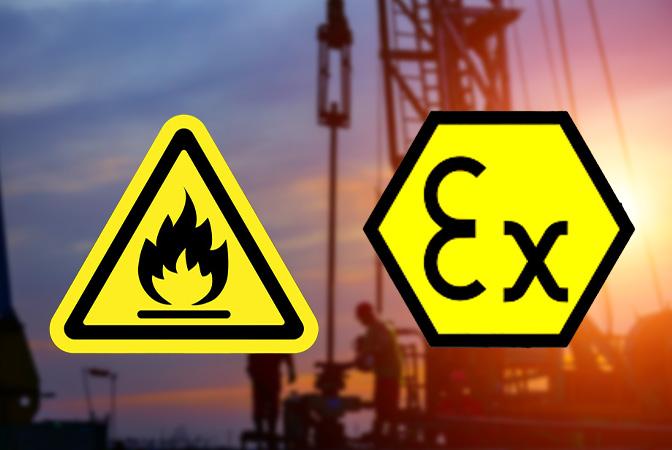
Play it Safe
Understanding why explosive atmospheres occur is the first step to working safely within them. ATEX and UKEX environments carry inherent risk because explosions need just three things (fuel, heat and oxygen), and in hydraulic systems, ignition sources can be surprisingly subtle: static electricity, overheating components or pressure fluctuations.
Our technical team’s knowledge of both directives means we can source, specify and supply intrinsically safe, ATEX-certified hydraulic equipment that meets explosion-proof standards through documented testing. And where an exact match isn’t available, we’ll specify an alternative that performs equally well.
An Introduction to European ATEX and British UKEX Regulations eBook
If you want a greater understanding of how to mitigate risks in explosive environments, we have produced a free eBook…
In it you’ll learn:
- ATEX Regulations – European directives focused on preventing ignition hazards in explosive areas.
- UKEX Compliance – The post-Brexit UKEX standards, outlining safety requirements for Great Britain & Northern Ireland.
- Risk Mitigation Strategies – How hydraulic systems must be engineered to prevent ignition sources in volatile environments.
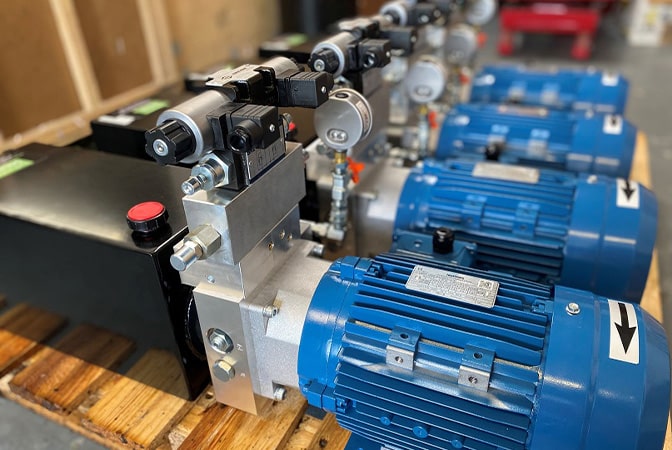
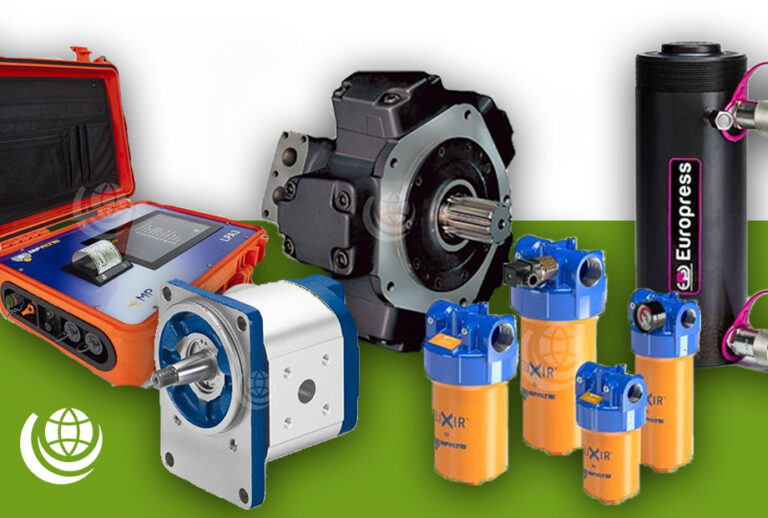
We've delivered intrinsically safe, explosion-proof hydraulic systems and solutions for clients across the UK and worldwide, from offshore platforms and petrochemical plants to flour mills, mines and beyond.
Learn more about ATEX hydraulics
Stay ahead with expert Hydraulic Insights
Subscribe now for free technical guides, product updates, industry news and trends.
*required